
Pet emergency guidance
A baited hook can look like a snack. A feathered lure can look like a toy. One quick grab can turn a day by the water into an urgent veterinary visit.
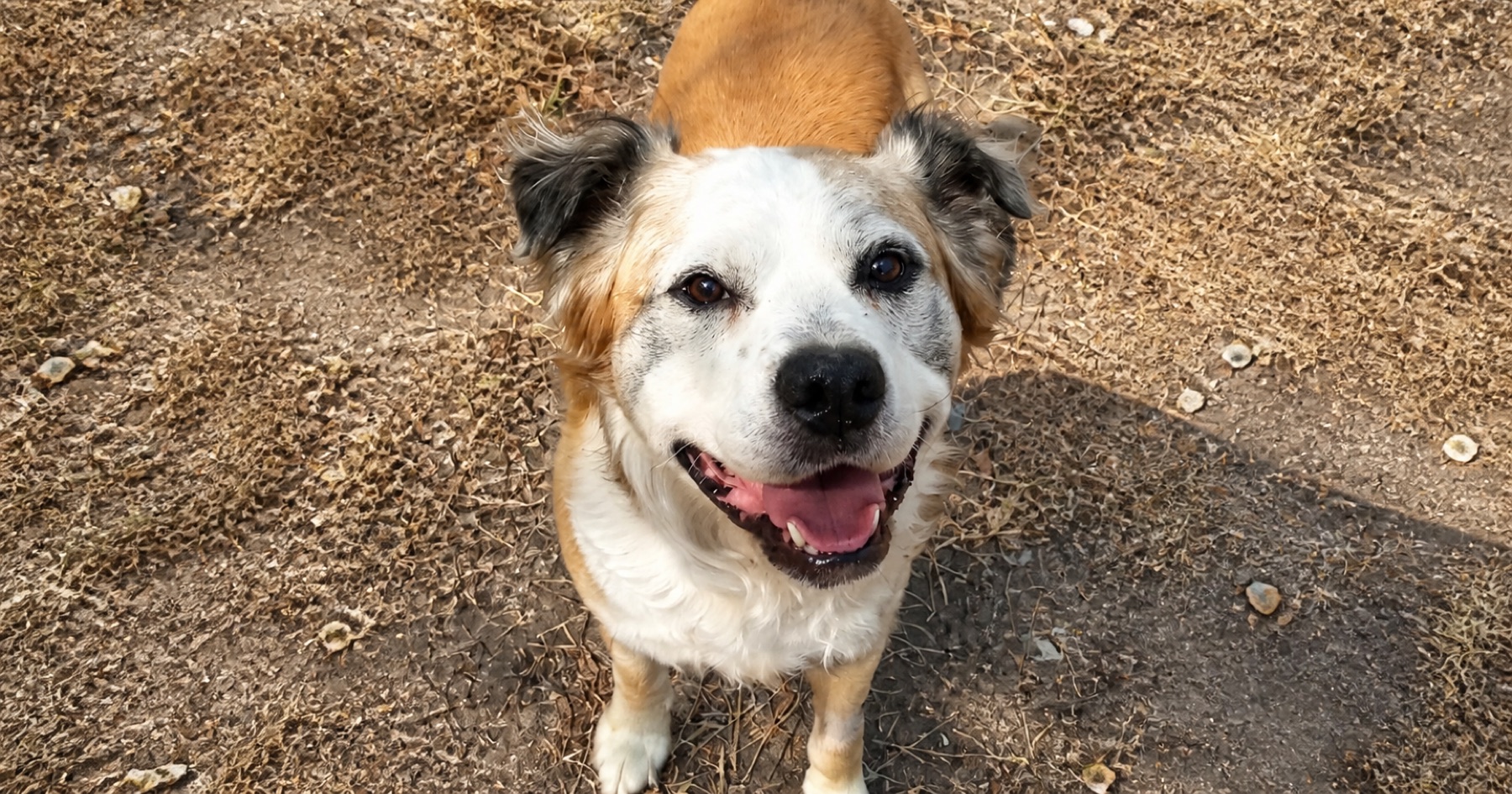
A fish hook is not an ordinary swallowed object. Its point and barb can catch in the mouth, throat, esophagus, stomach, skin, or paw.
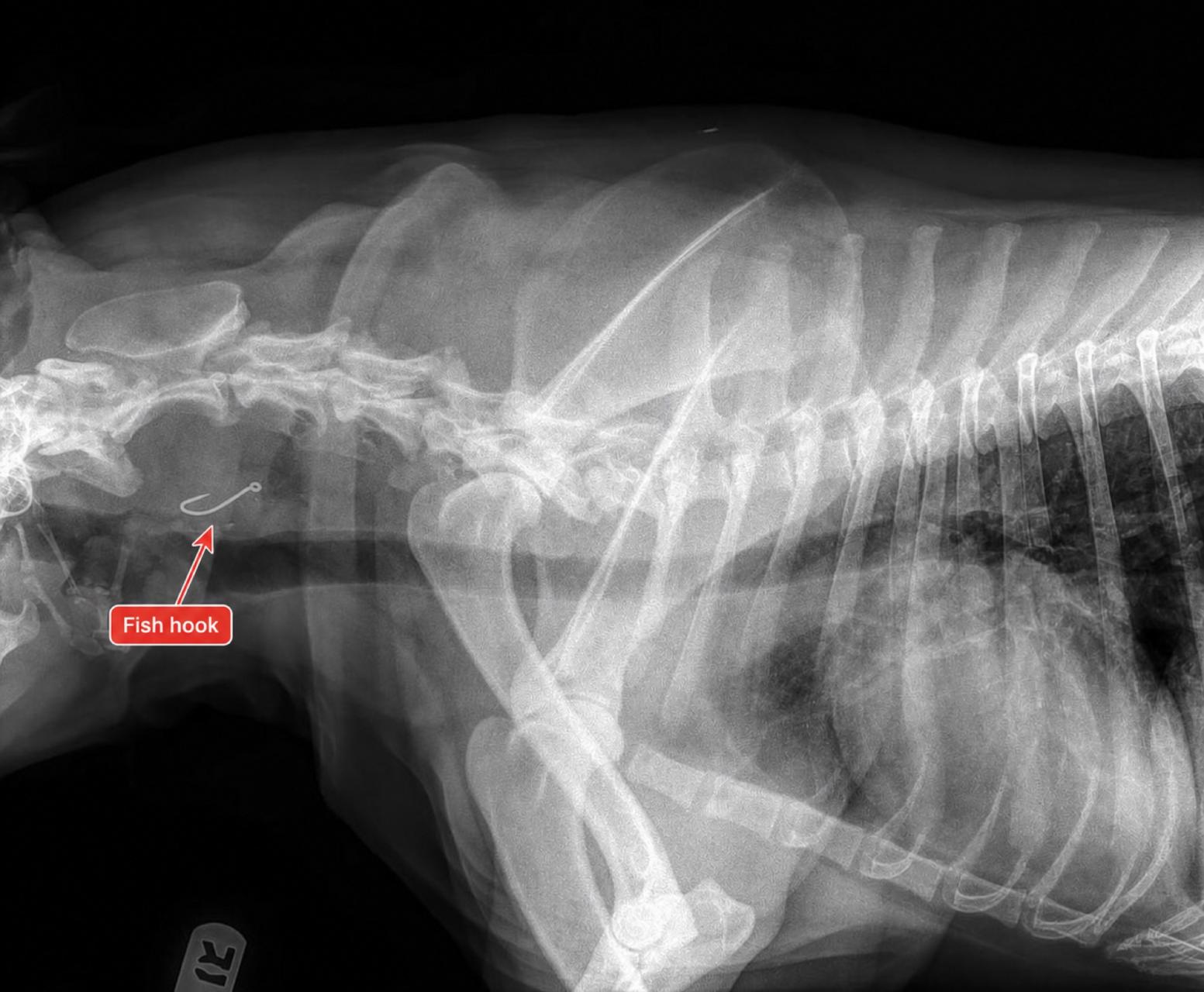
“The radiographs gave us the answer: a fish hook was still lodged in Tako’s proximal esophagus, where it could cause serious internal injury.”
— Dr. Leah Edwards
Tako's case: subtle signs, a serious finding
Two days before his visit, Tako Pacaso had been near the river when a family member noticed fishing line coming from his mouth and pulled it out. By Saturday, August 8, the 10-year-old, approximately 82-pound pit bull mix was drooling and gagging. He was not vomiting or having diarrhea, however, and his eating, drinking, urination, and bowel movements otherwise looked normal.
His family did not know whether he had passed everything, so they brought him to Cascade Veterinary Clinics to be checked.
Removing the hook with endoscopy
The veterinary team showed the radiographs to Tako's family and reviewed an estimate for sedation and removal, explaining that endoscopy might be needed to retrieve the hook and evaluate the surrounding tissue.
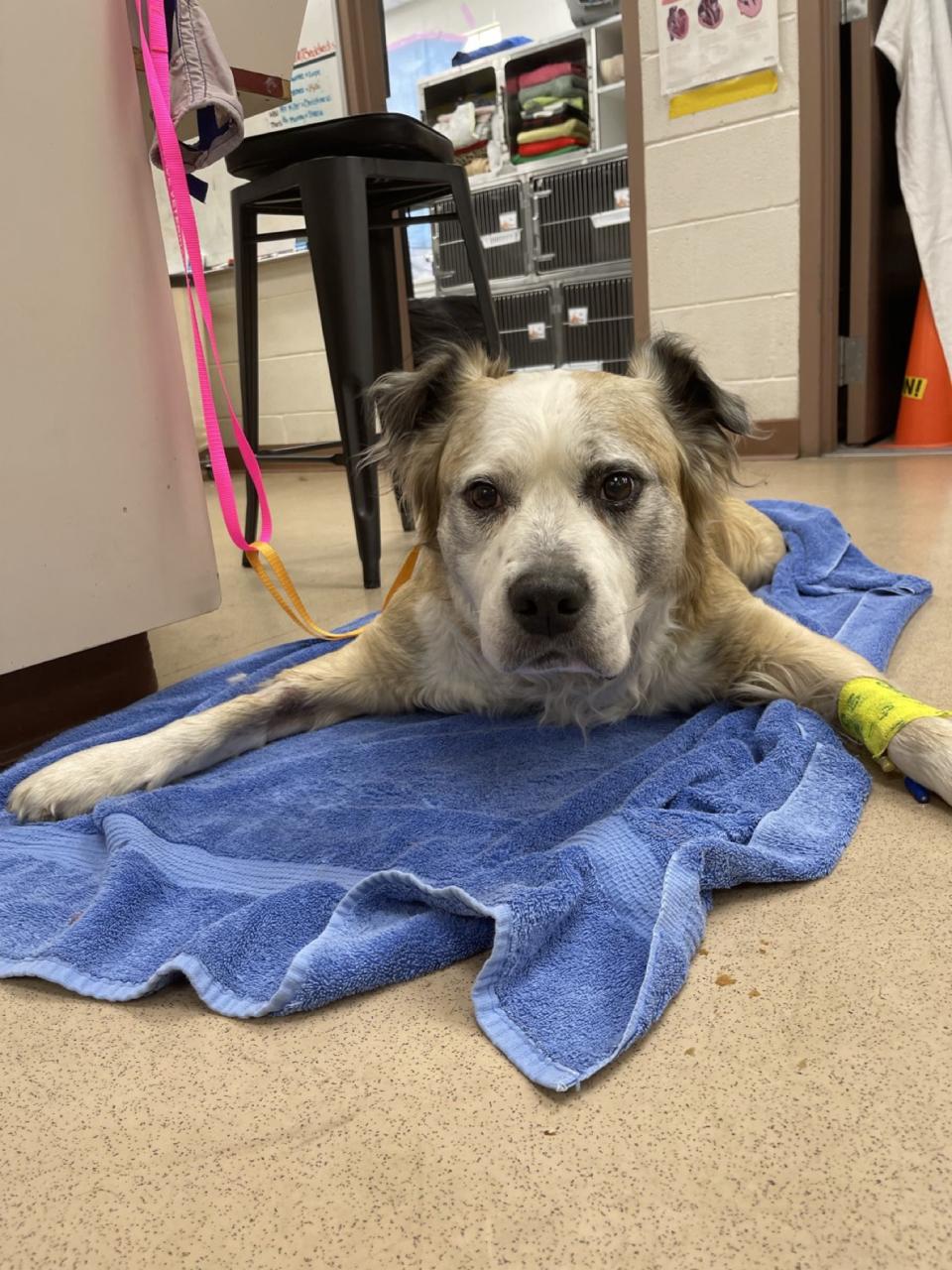
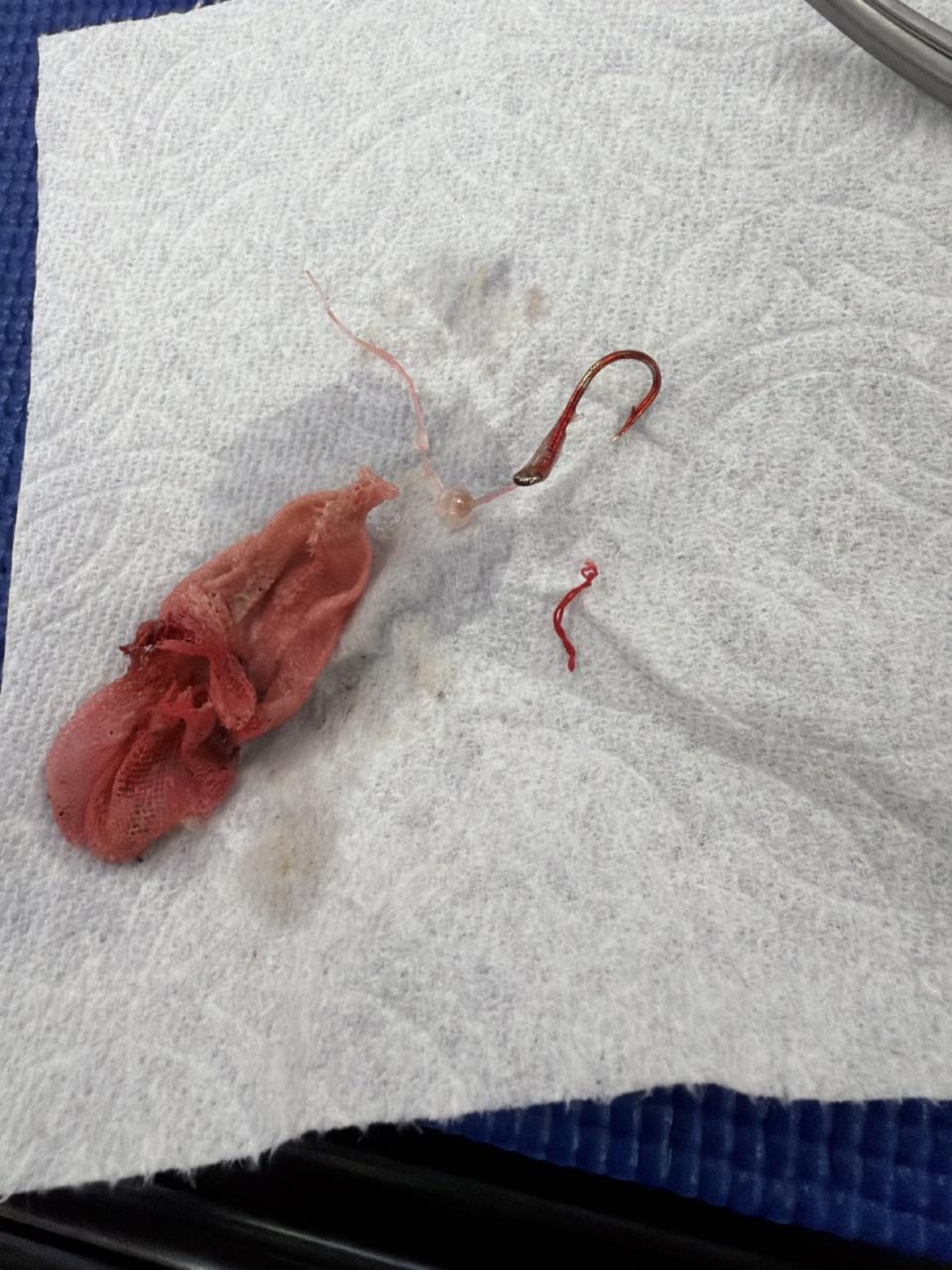
After reviewing the images and recommendation for removal, Tako's family returned when the clinic opened Sunday morning, ready to proceed. Dr. Leah Edwards led the case with doctor's aide Molly Robertson assisting. Using endoscopy, Dr. Edwards removed the hook and examined the esophagus from the inside.
Tako's follow-up care
As part of his follow-up care, Tako went home with pain medication, an antibiotic, and a gastrointestinal protectant. Those medications were prescribed for his specific case; another pet with a swallowed hook may need a different plan.
Guidance for dog and cat owners
If this happens to your pet
Tako's story ends here, but the lesson applies to any pet around fishing tackle. The guidance below explains what to do if a hook may have been swallowed, is attached to visible line, or is embedded in the mouth, skin, or paw.
Start with these four steps
Before moving your pet, put down the fishing rod, secure any loose hooks or lures, and move other pets and people away. Do not reach deep into a painful pet's mouth. Even a gentle dog or cat may bite when frightened or injured.
Seek emergency guidance even if your pet seems comfortable
Sometimes the first clue is visible fishing line or a missing baited hook. Drooling, gagging, repeated swallowing, retching, regurgitation, difficulty swallowing, refusing food, pawing at the mouth, pain, or coughing can accompany an esophageal foreign body. A partial obstruction or an early injury may produce subtler signs.
Difficulty breathing, blue or gray gums, collapse, extreme weakness, or significant bleeding require immediate emergency care. If you know or strongly suspect that a hook or fishing line was swallowed, do not wait for symptoms to worsen.
Why pulling fishing line can make the injury worse
Visible line does not reveal where the other end is. It may be attached to a hook caught in the mouth, lodged in the esophagus, or farther into the digestive tract. Pulling the line is an understandable instinct, especially when it appears loose, but it can shift a sharp object through delicate tissue. For the same reason, do not cut the line flush with the lips before speaking with a veterinarian; the team may want you to leave a manageable length while preventing chewing.
AVMA first-aid guidance advises owners not to remove a foreign object from a wound and not to induce vomiting or give medication unless directed by a veterinarian or poison-control professional. A suspected fish-hook ingestion needs case-specific veterinary instructions, not a home-removal attempt.
How radiographs and endoscopy can help
The veterinarian first needs to determine where the hook is and what it may have affected. Depending on the case, that may involve an oral examination, sedation or anesthesia, X-rays, endoscopy, or surgery. Many fish hooks are radiopaque, which means they are visible on standard X-rays. Radiographs can help establish the hook's location and orientation and guide the removal plan. In suitable cases, endoscopy uses a small camera passed through a natural opening to examine the esophagus or stomach and retrieve the foreign body without a large surgical incision.
The best approach depends on the hook's location, shape, barb, orientation, how deeply it is embedded, the condition of the surrounding tissue, and the patient's stability. Some hooks can be removed endoscopically; others require surgery or a different retrieval strategy. In a retrospective study of 33 dogs and cats with swallowed fish hooks, endoscopic retrieval succeeded in 27 cases, while six required surgery. That study supports endoscopy as an important option, but it does not guarantee the same result for every patient.
Safer fishing around dogs and cats
Whether you are fishing along the Columbia River or packing for a lake in North Central Washington, use one simple rule: a hook, line, or lure is either in your hand or secured inside a closed container.
Separate or leash pets while baiting hooks, casting, landing fish, and cleaning up.
Use a closed tackle box and count hooks and lures before leaving.
Never leave a baited hook, cut line, or lure unattended on shore, in a boat, or at home.
Secure trash containing bait, fish remains, hooks, and line behind a hard lid.
Check campsites, docks, yards, and vehicle floors before allowing a pet into the area.
Store feathered lures as carefully as cat toys; cats can chase, chew, and swallow tackle too.
Practice "leave it" and "drop it," but do not reach blindly into a pet's mouth when a sharp hook may be present.
If the setting is crowded, cluttered, or hard to control, the safest choice may be for your pet to stay home.
Recycle or dispose of used monofilament. Washington State Parks and WDFW maintain recycling bins at participating fishing areas.
Before traveling: Save the nearest veterinary contact before leaving your regular clinic's service area. The Washington State Veterinary Medical Association's resources include a Find a Veterinarian directory.
Frequently Asked Questions
Should I pull fishing line out of my dog's mouth?
No. The line may be attached to a hook lodged in the mouth, throat, esophagus, or stomach. Pulling can move the hook or drive the barb deeper. Prevent chewing when safe and call a veterinarian immediately.
Should I make my dog vomit after a fish-hook ingestion?
No. A sharp, barbed object can cause additional injury on the way back up. Do not induce vomiting or give medication unless a veterinarian specifically instructs you to do so.
Can a dog act normal with a fish hook in the esophagus?
Yes. Signs can be subtle or intermittent, particularly with a partial obstruction. Known or suspected ingestion warrants immediate veterinary guidance even if a pet is still eating, drinking, or behaving normally.
Can a fish hook be removed with endoscopy?
Sometimes. The recommendation depends on the hook's location, shape, orientation, tissue damage, and the patient's condition. Some hooks can be retrieved endoscopically; others require surgery or another approach.
Are cats at risk from fishing tackle?
Yes. Cats may chase feathered lures, chew line, or swallow hooks stored at home. Keep tackle in a closed container and treat a possible hook or line ingestion as urgent.
What if the hook is only in a paw or lip?
Call a veterinarian before trying to remove it. Barbs, treble hooks, deep placement, contamination, pain, and proximity to the eye or other delicate structures can make home removal unsafe.
Sources and further reading
- Merck Veterinary Manual. Esophageal Foreign Bodies in Small Animals. Updated September 2024.
- Binvel M, et al. Endoscopic and surgical removal of oesophageal and gastric fishhook foreign bodies in 33 animals. Journal of Small Animal Practice. 2018;59(1):45-49.
- American Veterinary Medical Association. Pet First Aid.
- Washington Department of Fish and Wildlife. Monofilament Recovery and Recycling Program.
- Washington State Veterinary Medical Association. Resources and Find a Veterinarian.
- Cascade Veterinary Clinics. Endoscopy for Dogs and Cats, Urgent Care, and After-Hours Urgent Care.
This article provides general education and cannot diagnose or treat an individual pet. A suspected fish-hook ingestion or embedded hook requires prompt, case-specific veterinary guidance.