
Dog Services · Cascade Veterinary Clinics
A practical start for your puppy’s health, growth, and life at home.
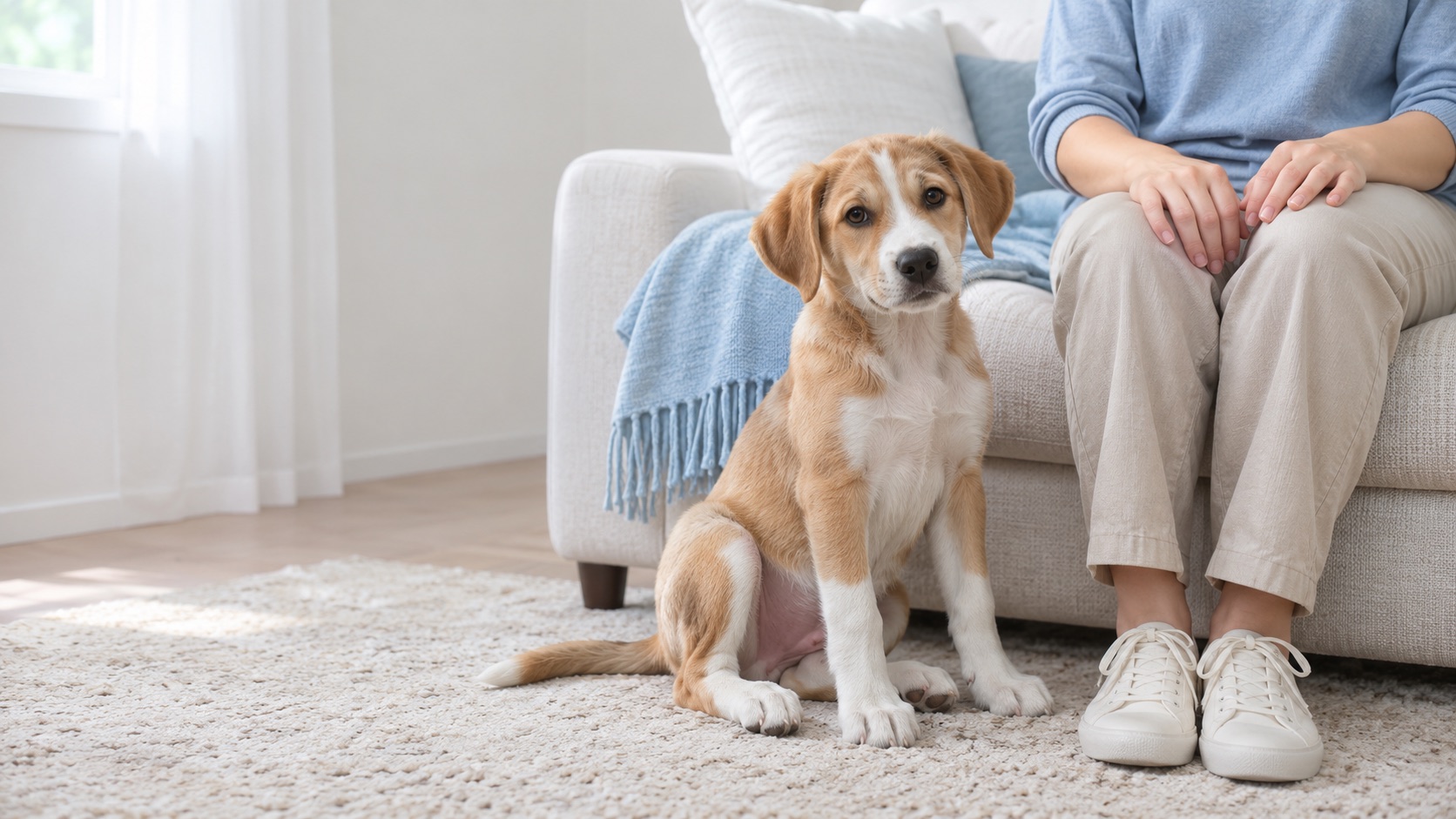
Your puppy may already have a vaccine record, a bag of food, and plenty of energy. The next step is to work out what is due now and what needs follow-up. Early veterinary visits bring the records, your questions, and a physical examination together.
Cascade's preventive and wellness care includes initial exams, individualized vaccines, parasite care, growth and nutrition discussions, and guidance about behavior and development. The plan should fit your puppy's age, health, expected adult size, and life at home.
Make the first visit a useful starting point
Contact the clinic when you bring your puppy home so the team can help plan the first visit. Share any breeder, shelter, rescue, or previous veterinary records, including the dates and names of vaccines and parasite treatments. If records are incomplete, bring what you have and the previous provider’s contact details rather than assuming which doses were given.
A puppy examination can assess growth and body condition, the heart and lungs, skin and ears, the mouth and developing teeth, movement, and other physical findings. Tell your veterinarian about appetite, stool, sleep, play, and anything that has changed.
Expect several veterinary visits during the first year, with the timing set for your puppy. Early visits may be closer together while vaccines and parasite care are established. Growth, nutrition, behavior, and health concerns also affect when to return. Ask what is recommended now, what comes next, and when to book the next check.
How can I tell if my puppy is sick?
Watch for changes in your puppy’s energy when awake, appetite, drinking, or stool. Contact the clinic promptly about repeated vomiting or diarrhea, refusal of food, or unusual tiredness when awake.
Trouble breathing, collapse, seizures, severe weakness, or bloody or uncontrolled diarrhea need immediate veterinary care. Call ahead and describe the signs so the team can guide you. Do not wait for the next routine wellness visit if your puppy seems unwell.
Build a vaccine plan from the records
Puppy vaccination usually involves a series of visits, rather than one injection that completes every need. Timing depends on age, previous doses, health, the vaccine used, and exposure risk.
Core vaccines protect against diseases including distemper, parvovirus, rabies, and leptospirosis. Your veterinarian may recommend additional protection for activities such as boarding or travel. Bring the actual vaccine record so recommendations are based on what your puppy has received.
Plan parasite testing and prevention together
Puppies need attention to intestinal parasites as well as heartworm, fleas, and ticks. Stool testing, treatment, and prevention have different roles. Tell your veterinarian which products were given, when they were given, and whether you have noticed a change in stool.
CAPC recommends year-round parasite protection and repeated stool testing during the first year. Your veterinarian should select products and testing for your puppy's age, weight, health, and exposures, including travel. Ask the clinic before collecting or bringing a stool sample.
Support growth without rushing it
Choose a complete and balanced food appropriate for growth. Expected adult size matters, particularly for large and giant breeds. A growth diet, portion plan, and regular body-condition checks help your veterinarian assess whether your puppy is developing appropriately.
Bring the food name or a photo of the label, the amount offered, and a list of treats and supplements. Portions may need to change as your puppy grows. Ask before adding calcium or other supplements to an already balanced diet.
Introduce the world in safe, manageable steps
The early months are an important time for learning about people, places, sounds, and everyday handling. Socialization should be pleasant and gradual. It does not mean meeting every dog or staying in an experience that frightens your puppy.
Ask your veterinarian how to balance early learning with infection risk while vaccines are underway. Brief experiences with new household sounds or surfaces can be part of the plan. Public dog areas and contact with unfamiliar dogs need a different risk assessment from controlled encounters.
Let your puppy approach at a comfortable pace. If they withdraw or seem worried, create distance or stop. Discuss puppy-class health requirements and the trainer's methods before enrolling.
Teach useful habits with rewards
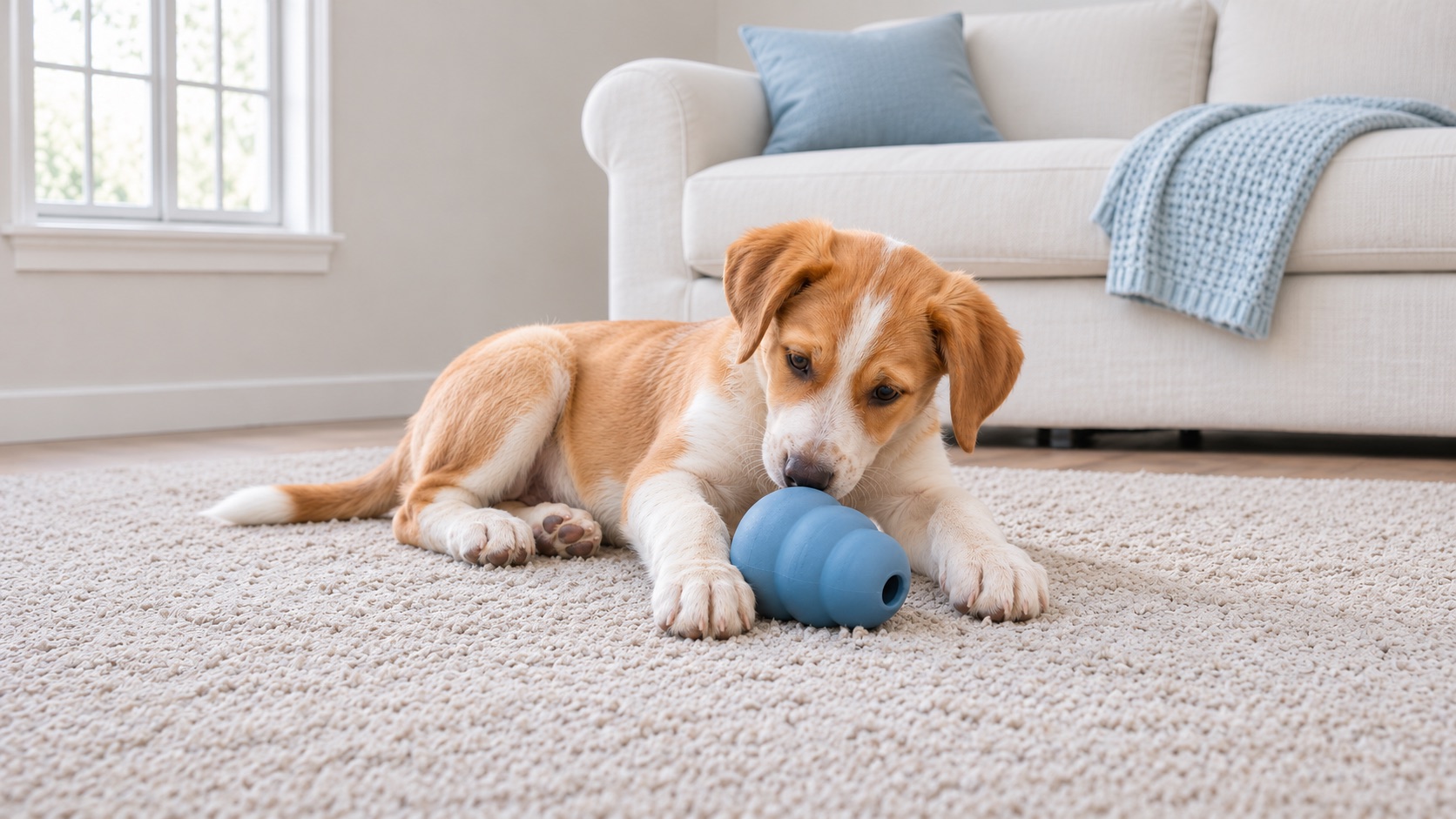
Reward the actions you want to see, such as settling on a mat, following a cue, or choosing an appropriate chew. Short, comfortable practice helps learning fit into daily life. AVSAB recommends reward-based training rather than methods that use pain or fear.
Bring questions about house training, mouthing, alone time, and handling. Your veterinarian can help you recognize concerns and discuss suitable training support. Choose toys and chewing activities for your puppy's size and stage, and remove items they could swallow.
Discuss the next stage before it arrives
Puppy visits are a good time to discuss microchip identification, dental development, and reproductive care. There is no single spay or neuter age that suits every dog. Sex, expected adult size, health, and individual risks should be part of the conversation.
Ask when to revisit these decisions as your puppy grows. The aim is a plan you understand, with room to adjust when health or daily life changes.
Bring the details that make the visit easier
A few records and observations can make the conversation more specific.
- Available medical and vaccine records, including records from before your puppy came home.
- Names and dates of parasite products, medications, and supplements.
- The food label, daily portions, treats, and feeding questions.
- Notes about stool, appetite, sleep, chewing, toileting, and how your puppy responds to new experiences.
- A short list of priorities, such as travel plans, puppy classes, or questions about growth.
Ask about sample collection and visit preparation when arranging care. If your puppy is unwell, contact the clinic for guidance rather than waiting for a routine wellness appointment.
Puppy Care FAQs
When should I arrange my puppy's first veterinary visit?
Contact the clinic soon after your puppy comes home, even if they have already received vaccines elsewhere. Share the records and any concerns so the team can help plan an appropriate visit and follow-up.
How many vaccines will my puppy need?
There is no single number for every puppy. Age, documented doses, vaccine type, health, and exposure affect the plan. Ask which vaccines are recommended, when each is due, and when your puppy should return.
Can I socialize my puppy before the vaccine series is finished?
Yes, with an individual plan for safe exposure. AVSAB supports early socialization before full vaccination. Ask your veterinarian which settings and activities are appropriate, keep encounters comfortable, and check puppy-class health requirements before attending.
Does my puppy still need stool testing after a deworming treatment?
Previous treatment does not replace an ongoing parasite plan. CAPC recommends repeated stool testing during the first year alongside prevention. Bring treatment dates and product names so your veterinarian can recommend appropriate testing and next steps.
When should I switch from puppy food to adult food?
The right time depends on growth and expected adult size, not a single birthday for all dogs. Large and giant breeds can mature later. Ask your veterinarian when to change diets and how to adjust portions.
What is the best age to spay or neuter my puppy?
Discuss timing with your veterinarian. Sex, expected adult size, health, and the balance of individual risks matter. Plan the conversation early so you understand the recommendation before deciding on a procedure date.
How often should my puppy see a veterinarian in the first year?
Plan follow-ups with your veterinarian. Several early visits are commonly needed while preventive care is established, with later check-ins based on growth, health, behavior, and upcoming decisions. Ask when to return at each visit rather than waiting for an annual reminder.
Plan your puppy's next visit
Request a routine puppy wellness appointment, or contact your Cascade clinic if you need help deciding where to start. Share any health concerns when you get in touch.
Sources and further reading
- AAHA: Life Stage Checklists
- AAHA: Canine Life Stage, Puppy
- AAHA: 2022 Canine Vaccination Guidelines, updated 2024
- AAHA: Recommendations for Core and Noncore Canine Vaccines
- CAPC: General Guidelines for Dogs and Cats
- AAHA: Age-specific and Breed-specific Diets
- AAHA: Feeding Plans for Healthy, Appropriate Weight Cats and Dogs
- AVSAB Position Statement on Puppy Socialization
- AVSAB: Position Statements, Humane Dog Training
- AAHA: Proposed Ages for Sterilization
- AAHA, Frequency of Veterinary Visits
- Merck Veterinary Manual, When to See a Veterinarian
- VCA Animal Hospitals, What to Do When Your Puppy Has Diarrhea