Cat Services · Wenatchee

Ask our Wenatchee team whether red light laser therapy could fit your cat’s care plan.

Illustrative image of a tabby cat resting beside a person on a sofa.

What is red light laser therapy?

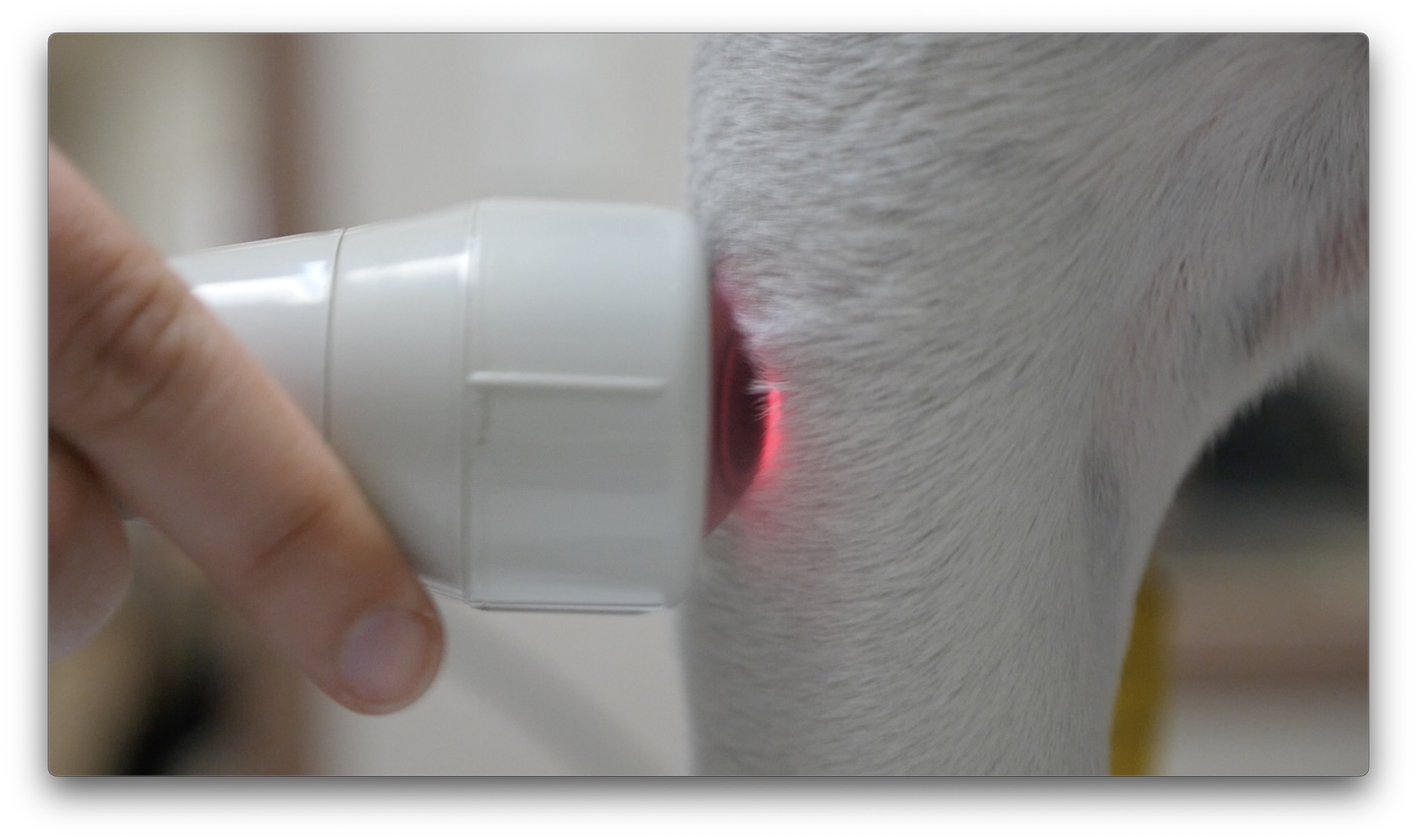
Red light laser therapy, sometimes called cold laser therapy, uses a therapeutic laser to direct light at a specific area. The technical term is photobiomodulation. The light is applied from outside the body, so the laser session itself involves no incision.

Veterinarians may consider laser therapy alongside other treatments. The goal depends on the condition being treated. Ask what change your veterinarian would look for and how they’d decide whether to continue.

See red light therapy at Cascade

Watch Cascade’s 40-second video for a closer look at red light therapy.

Watch on TikTok

Where laser therapy may fit for cats

Changes in jumping, stair use, or play can give your veterinarian clues about how comfortably your cat is moving. They’ll consider what you see at home alongside the exam. If arthritis or another painful condition is contributing, the care plan may include pain medication, changes at home, or rehabilitation.

Laser therapy is one option used in veterinary rehabilitation. Research in cats is limited, so it’s helpful to agree on a goal you can actually observe, such as whether your cat starts using a favorite perch more comfortably. That gives you and your veterinarian something concrete to discuss at a recheck.

Inflammation and discomfort

Inflammation can contribute to discomfort after an injury or with some ongoing conditions. Veterinarians may consider therapeutic laser as one part of managing pain and inflammation. The cause of the problem still guides the plan, including whether other treatment is needed first.

Skin problems, wounds, and recovery after surgery

Skin changes and wounds

Bring a sore, irritated patch, or wound to your veterinary team’s attention so they can assess what’s causing it. Light-based therapies have been studied as additions to wound care, but the evidence is limited and results for one type of wound or device may not apply to another. Your veterinarian can explain which care the area needs and whether any additional therapy makes sense.

After a procedure

Laser therapy is sometimes studied or considered as an addition to a recovery plan. Small studies have looked at how surgical incisions heal, and more research is needed to know which cats are likely to benefit. Follow the care instructions your veterinary team gives you for pain relief, activity, incision checks, and follow-up.

What to ask at your cat’s visit

Start with what you’ve noticed and when it began. If you can safely record your cat moving naturally at home, bring a short video. It can show your veterinarian movements that may be hard to see during an exam.

If your veterinarian recommends laser therapy, ask:

  • What would we be treating, and how does laser fit with the rest of the plan?
  • What happens during a session, and how often would we need to come in?
  • What should I track at home, and when will we review whether it’s helping?

Tell the team if travel or clinic visits are stressful for your cat. How your cat handles visits matters when choosing a plan you can follow.

Frequently Asked Questions

What is red light laser therapy for cats?

It uses a therapeutic laser to direct light at a specific area from outside the body. A veterinarian may consider it alongside other treatments after examining your cat and deciding what the care plan needs to address.

Where does Cascade offer cat laser therapy, and how do I book?

Cascade offers it at the Wenatchee clinic. Call 509-663-0793 to ask about laser therapy appointments. The online Request Appointment form is for wellness visits for established clients.

What should I ask before my cat’s first laser therapy session?

Ask how your cat will be positioned, what the team does to protect eyes during treatment, and how they handle stress during a visit. Ask how long to allow, how often your cat may need to come in, and what change at home would help you and your veterinarian decide whether to continue.

Does laser therapy help cats with arthritis or speed up wound healing?

Veterinarians may consider it as part of an arthritis care plan, but research in cats is limited. Studies of wounds and surgical incisions do not establish that laser therapy speeds healing for every cat. Your veterinarian can explain what the evidence means for your cat’s condition and how they would assess the response.

Sources