
Your pet’s care • Before surgery & recovery
Understanding your pet’s surgical recommendations
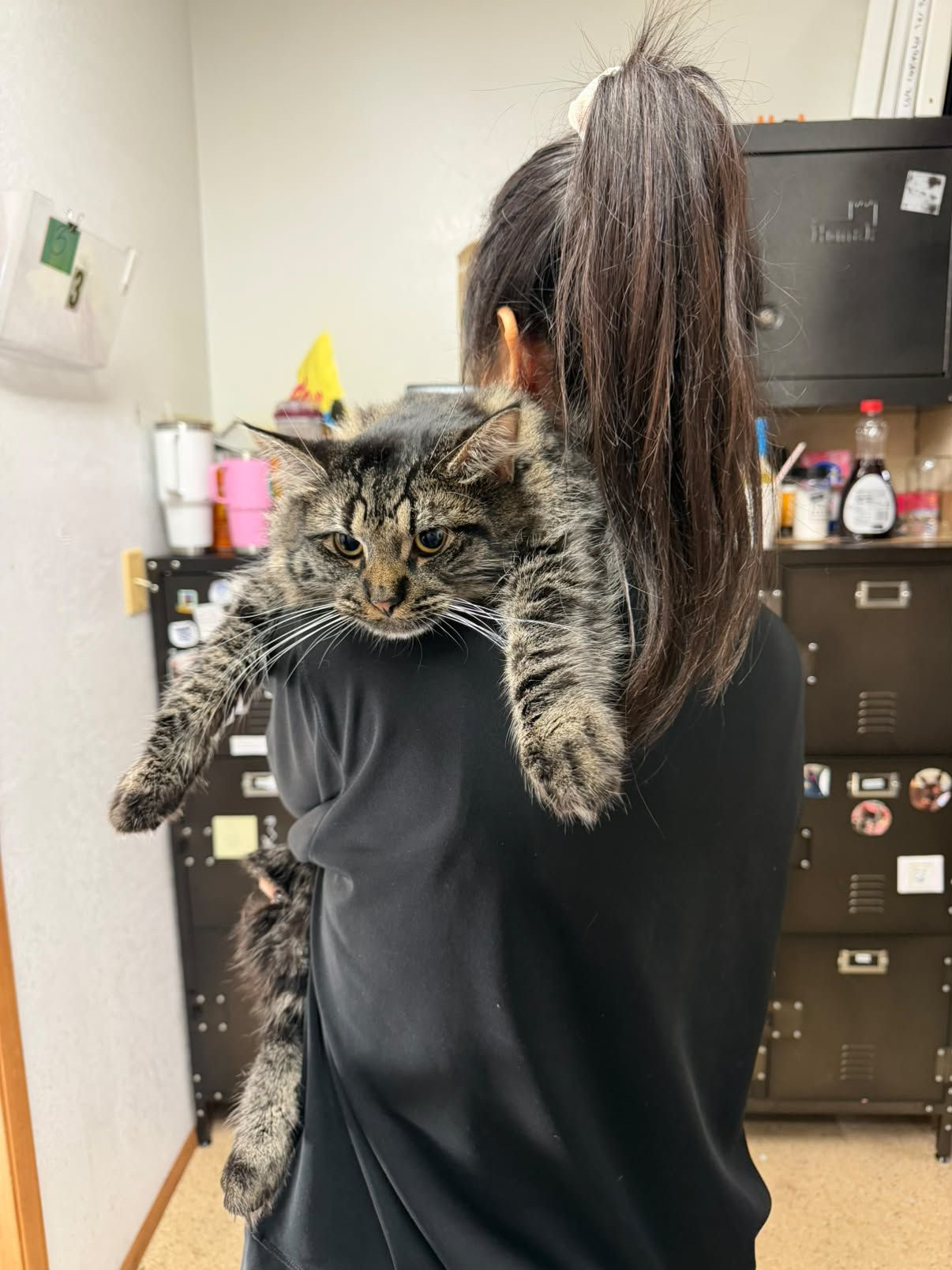
When your pet is scheduled for surgery, it helps to understand what each recommendation is for. At Cascade Veterinary Clinics, your pet’s safety and comfort are our highest priorities. This guide explains the services and products our team may discuss with you.
This page explains surgical recommendations. Follow your veterinary team’s individual instructions for food, water, medications, arrival, and recovery.
Pre-Anesthetic Bloodwork
A clearer picture before anesthesia
Pre-anesthetic bloodwork helps us evaluate your pet’s health before anesthesia. It provides information about vital organs, including the liver and kidneys, which help the body process and eliminate many medications.
Results may reveal concerns that are not apparent during a physical examination. Together with your pet’s medical history and examination, they help us tailor the anesthetic plan to your pet’s needs.
Bloodwork is one part of that assessment. Normal results do not rule out every health problem or eliminate the risks of anesthesia.
Explore Cascade’s diagnostic and laboratory services for more about our testing capabilities.
Learn more: AAHA: preanesthetic evaluation
Microchip Implantation
Identification that stays with your pet
A microchip provides a permanent identification number for your pet. About the size of a grain of rice, it is placed beneath the skin, usually between the shoulder blades, using a specialized needle.
Veterinary clinics and shelters can scan the chip and use its registration information to help contact you if your pet is lost. Unlike a collar or tag, a microchip cannot slip off, although rare chip or scanning problems can occur.
Register the microchip and keep your contact information current. A microchip is not a GPS tracker and works best alongside a collar and identification tag.
Learn how pet microchips work in Cascade’s guide to implantation, registration, and identification.
Learn more: AVMA: microchipping FAQs
Post-Operative Sedatives
Helping an energetic pet rest
Pets may feel ready to play before they have finished healing. Running, jumping, and rough play can strain the surgical site and interfere with recovery. Follow the activity restrictions provided for your pet’s procedure, even when your pet seems to feel well.
Your veterinarian may prescribe calming medication to help your pet settle during recovery. It supports the recovery plan alongside prescribed pain management and activity restrictions.
Give medication exactly as directed. Side effects and interactions are possible, so contact our team if you have concerns about your pet’s response or difficulty keeping your pet comfortable and calm.
Learn more: Study: supporting postsurgical rest in dogs
Elizabethan Collar (E-Collar)
Protecting the incision while it heals
An e-collar, also called a recovery cone, will be provided following your pet’s procedure. It helps prevent licking, chewing, and scratching that can irritate the incision, introduce infection, or cause it to open.
Keep the e-collar in place at all times unless your veterinarian directs otherwise, including overnight and when your pet is unsupervised.
Inflatable “donut” collars and surgical recovery suits do not protect every surgical site. If you plan to use an alternative, bring it on surgery day so our team can check its fit and confirm that it provides adequate protection.
Learn more: ACVS: postoperative care
Feline Viral Testing
For cats: understanding FeLV and FIV
Feline leukemia virus (FeLV) and feline immunodeficiency virus (FIV) can affect a cat’s immune system and long-term health. Infected cats may look healthy, so appearance alone cannot tell us their status.
The viruses spread differently. FeLV can pass through close contact and from an infected mother to her kittens. FIV spreads mainly through bite wounds.
We recommend screening for FeLV and FIV at or before spay or neuter surgery. Knowing your cat’s status helps guide care and advice about protecting other cats. Depending on your cat’s age, exposure history, and results, follow-up testing may be needed.
Learn about Cascade’s veterinary services for cats, including laboratory testing and preventive care.
Learn more: Cornell: FeLV · Cornell: FIV
Our Goal
Every recommendation we make is intended to improve your pet’s safety, comfort, and long-term health. If you have questions about the procedure or any of the services described here, please ask a member of our team. We are happy to discuss the options and help you make informed decisions for your pet’s care.
Contact your Cascade clinic