
Dog Services · Cascade Veterinary Clinics
Build a prevention plan around your dog, your household, and the places you go.
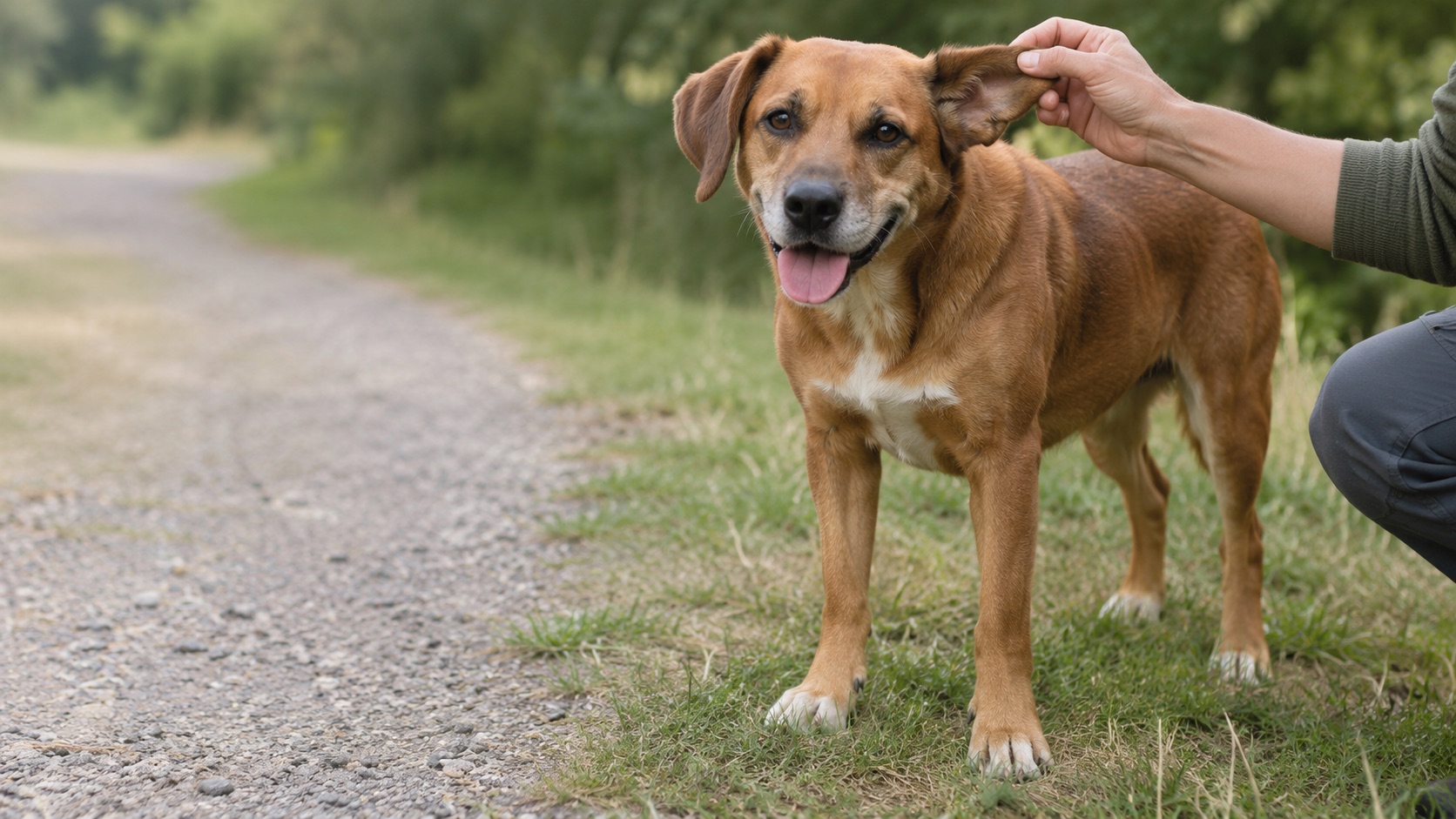
You found a tick after a walk, or your dog keeps scratching even though you cannot see fleas. Start with the details: what you found, where your dog has been, and which products they have received.
Cascade's preventive and wellness care includes parasite assessment, treatment, and prevention. A useful plan considers your dog's health and daily life, not just the product on the shelf. An active skin problem may also need an examination rather than another preventive dose.
Fleas and ticks cause different problems
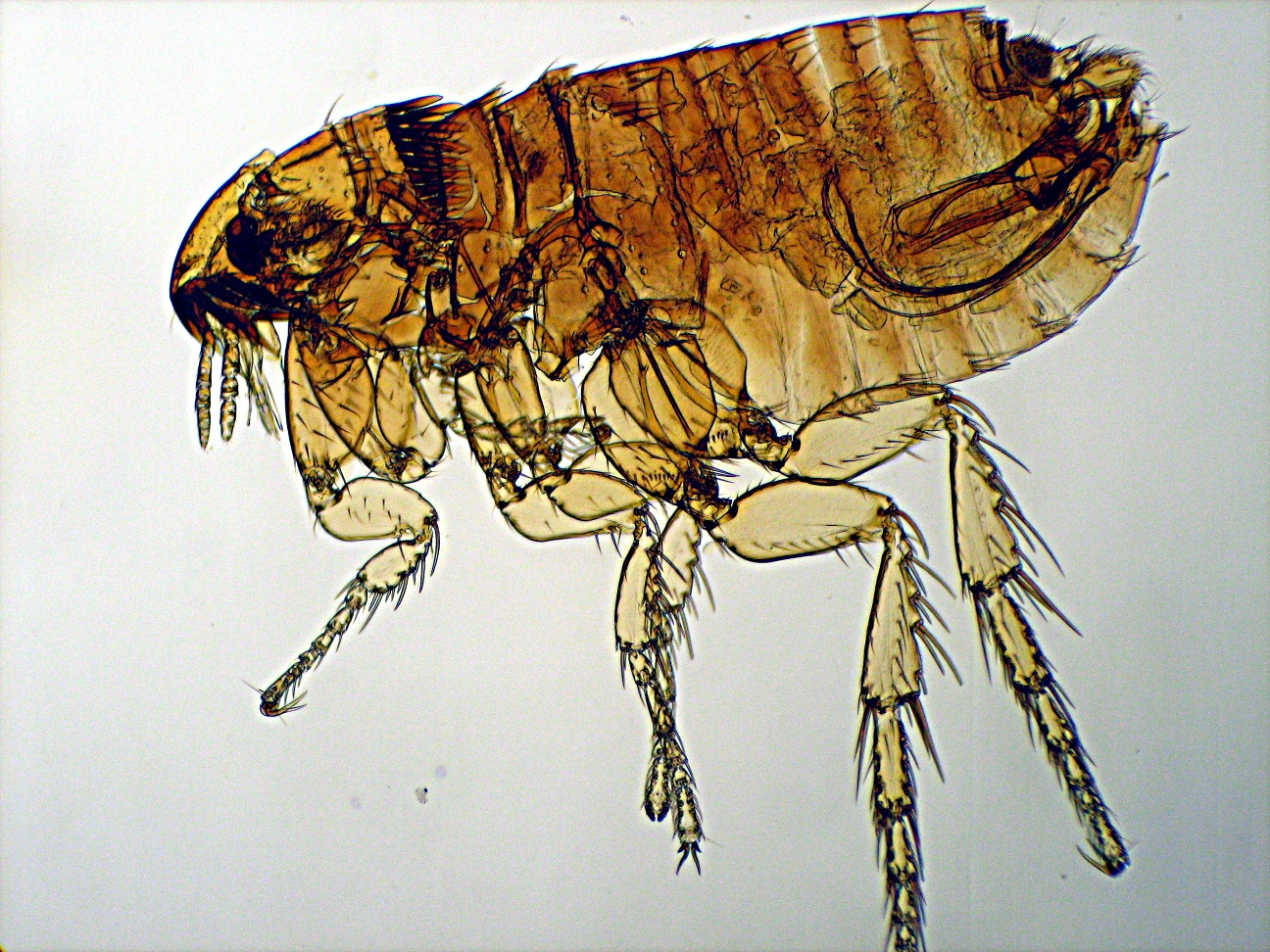
Fleas can cause itching and irritated skin, and some dogs react strongly to flea bites. Fleas also have life stages that develop away from the dog, which helps explain why a household problem may continue after treatment begins.
Ticks attach to feed and can transmit infections. Finding a tick does not establish that your dog has a tick-borne illness. The type of exposure, your dog's signs, and the timing help your veterinarian decide whether an examination or testing is appropriate.
Let the findings guide the next step
Tell your veterinarian whether the concern is a parasite you found, persistent scratching, a new skin lesion, or a question about prevention. An examination may include checking the coat and skin for parasites, flea debris, irritation, and other possible causes of discomfort.
Bring clear photos when possible, along with the product packaging and treatment dates. If you saved a tick, ask how the clinic would like you to bring it. Do not assume that every itchy dog has fleas or that every skin problem needs the same treatment.
Choose protection for your dog's real exposures
CAPC recommends year-round flea and tick control. The product and how it is used still need to fit the individual dog. Discuss age, current weight, health conditions, previous reactions, and other medications before choosing or changing a product.
Include activities that change exposure: walks through vegetation, time in a yard, boarding, contact with other animals, and travel. Let the team know where you are going rather than assuming a plan for home covers every destination. Review prevention when your dog's circumstances change.
Oral, topical, or collar flea and tick prevention?
Products come in different forms. The choice depends on the exact label, your dog’s needs, and how reliably your household can use it.
- Pills and chews. Given by mouth, following directions for that product. Tell your veterinarian if your dog has difficulty taking medication or has reacted to a preventive before.
- Topical spot-ons. Applied to the skin where the label directs. Ask about drying time, bathing, swimming, and contact with children or other pets before choosing a product.
- Medicated collars. Worn as directed for that product. Follow fitting, handling, and replacement instructions, and keep children or other pets from playing with the collar.
No form is automatically best for every dog, and products do not all cover the same parasites. Review the active ingredients and protection needed with your veterinarian rather than choosing by form alone.
Use the right product in the right way
Read the label each time, including species, age, weight limits, directions, and warnings. A product intended for the house or yard should not be applied to the dog. Do not shorten intervals, add another product, or replace a missed dose by guessing.
Tell your veterinarian about cats or other pets in the household. Some dog flea products are dangerous to cats. For topical products, follow instructions about contact between pets and bathing. Keep the packaging so the exact product can be identified if a concern arises.
An established flea problem needs a household plan
Treating adult fleas on one dog may leave developing stages in bedding, rugs, and other resting areas. Your veterinarian can help coordinate appropriate care for every pet alongside environmental measures such as vacuuming and washing bedding.
Control takes consistency and time. Seeing fleas after treatment starts does not automatically mean that extra medication is the answer. Review the products, application, household animals, and cleaning plan with the team. Environmental insecticides should be used only as labeled, with suitable advice about pets and people.
Make coat checks part of the routine
Check your dog during grooming and after time in places where ticks may be present. A prevention product does not replace looking at the skin and coat. Ask your veterinarian to show you how to recognize and safely remove an attached tick if you are unsure.
Contact the clinic if you cannot remove it safely, the attachment site becomes a concern, or your dog seems unwell. Share when and where the exposure occurred. Avoid treating a tick bite as proof of a particular infection or starting a medication without veterinary guidance.
Bring a clear prevention history
A few practical details help the team assess what has been tried and what may need to change.
- Your dog's current weight and any health conditions or previous product reactions.
- Product names, packaging photos, application dates, and any missed doses.
- A list of medications, supplements, and products used on other household pets.
- Recent travel, boarding, outdoor activities, and where parasites were found.
- Photos of the parasite or skin concern, plus when the signs began.
If you are choosing routine prevention, request a wellness discussion. If your dog has an active problem, describe the signs when contacting the clinic so the team can guide the next step.
Dog Flea & Tick FAQs
Does my dog need flea and tick protection in winter?
CAPC recommends year-round protection. Fleas can persist in protected indoor environments, and tick activity varies by place and conditions. Ask your veterinarian about an ongoing plan rather than stopping solely because the calendar changes.
Is the same product suitable for every dog?
No. Species, age, weight, health, other medications, and previous reactions matter. Share these details and your dog's activities so your veterinarian can help select an appropriate option.
Can I use my dog's flea product on my cat?
No. Do not use a dog-labeled product on a cat. Some ingredients used in dog products are toxic to cats. Ask for a separate plan for each pet and follow instructions about contact after topical treatment.
Why am I still seeing fleas after treatment?
Developing flea stages may remain in the environment. An established infestation needs consistent pet and household control. Contact the team to review the plan instead of adding doses or combining products yourself.
What should I do if I find a tick on a dog taking prevention?
Arrange prompt, safe removal and record the exposure. Ask the clinic for help if you are unsure how to remove it. Review the prevention product and dates, and report any illness or skin concern.
What if I miss a dose?
Check the product directions and contact your veterinarian for advice specific to that product. Do not double the next dose or add a different preventive without guidance.
Does a tick bite mean my dog needs a disease test right away?
Not automatically. Your veterinarian considers the exposure, your dog's signs, prevention history, and the limitations and timing of available tests. Call with those details so the recommendation fits the situation.
Review your dog's parasite plan
Contact your Cascade clinic with an active concern, or request a routine wellness appointment to discuss prevention. Bring the product names and dates so the conversation starts with your dog's actual history.