
Dog Services · Cascade Veterinary Clinics
Plan care around what has changed and what still matters to your older dog.
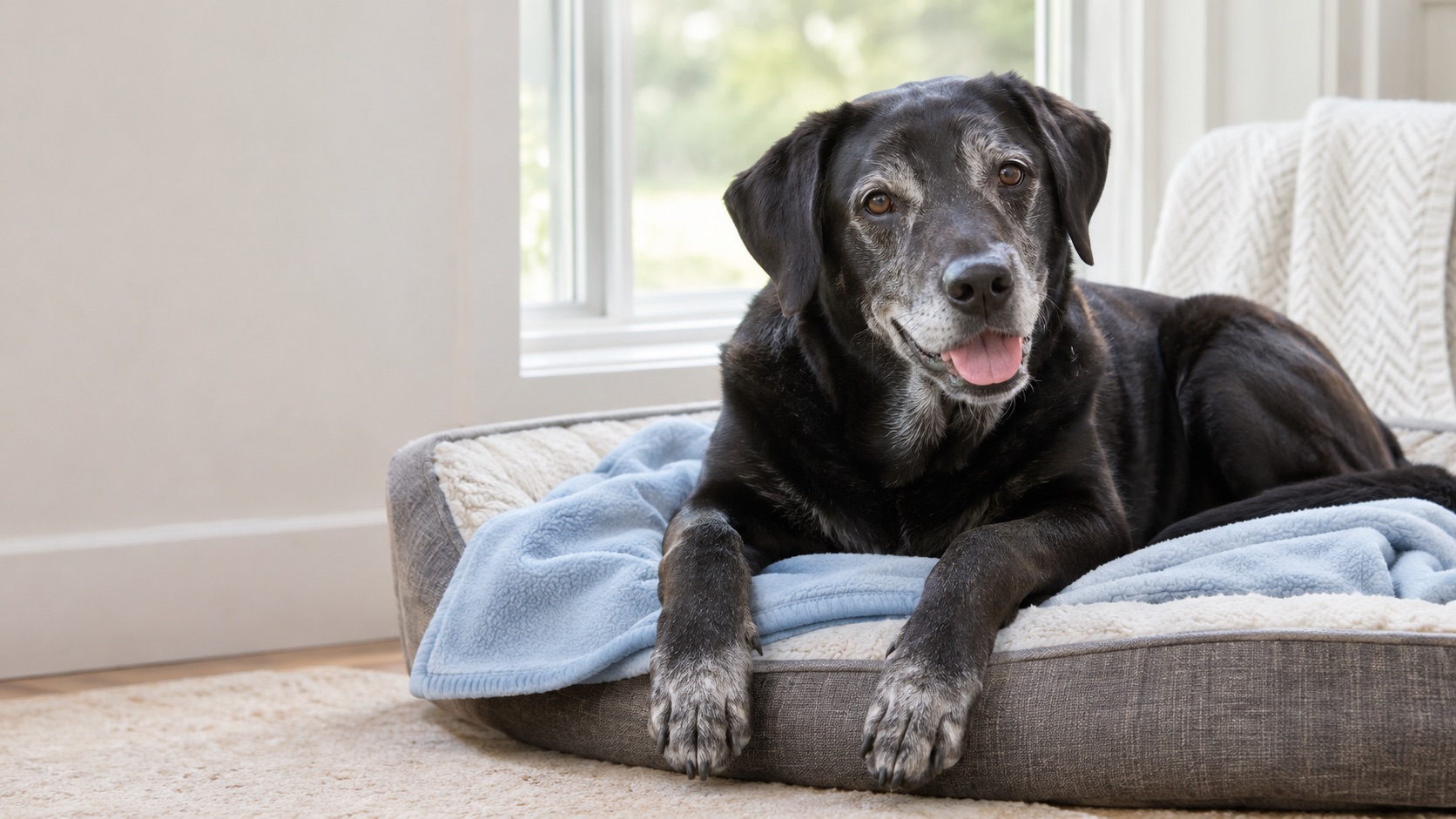
Your dog still looks forward to seeing you, but the morning walk is shorter and settling down takes longer. Perhaps they are drinking more, sleeping at different times, or leaving food they once finished. Small changes can be easy to explain away when you have watched your dog grow older.
Bring those observations to your Cascade veterinarian. Senior care considers comfort, physical health, behavior, and the routines that make a good day for your dog. The aim is a useful plan that can change as their needs change.
Senior care starts with the individual dog
There is no single birthday that makes every dog a senior. Size, breed, expected lifespan, health, and daily function all influence how aging is assessed. Two dogs of the same age may need different kinds of support.
A regular visit gives you an opportunity to establish what is normal for your dog and discuss changes before they become part of the accepted routine. Ask when the next examination and any screening should take place.
Changes worth bringing to the conversation
- Movement and comfort. Notice stiffness, slipping, trouble getting up, changed stair use, or reluctance to join familiar activities. A dog does not have to cry out for pain to affect daily life.
- Food, water, and toileting. Report changes in appetite, body weight, thirst, urination, stool, or accidents indoors. These details can guide the examination and testing.
- Sleep, behavior, and awareness. Nighttime restlessness, pacing, confusion, anxiety, or altered interaction deserve assessment. Pain, sensory changes, and other illnesses can resemble cognitive change.
- Eating and oral comfort. Mention dropping food, chewing differently, reluctance to chew, or signs of mouth discomfort. Dental concerns remain important in an older dog.
Keep a short record of when a change began and how often it happens. Safe videos of ordinary movement or unusual behavior can add useful context.
What a senior veterinary visit can include
The history and physical examination help set priorities. Your veterinarian may review body and muscle condition, movement, the mouth, skin and lumps, heart and breathing, and changes in vision, hearing, or behavior.
Testing is selected for your dog’s health, history, medications, and findings. Bloodwork, urine testing, blood pressure measurement, or imaging may be discussed when appropriate. Ask what each test is intended to answer and how the result could affect care.
The conversation should also cover what matters at home. If several concerns compete for attention, work with the veterinarian to prioritize the next steps and a realistic follow-up plan.
Make everyday movement more manageable
Changes to the home can support a dog who is less steady or comfortable. Nonslip surfaces, accessible resting places, and safer routes around steps may help. Ask which options fit your dog and whether support for getting into a vehicle is appropriate.
Movement and rest should fit the diagnosis and your dog’s abilities. Discuss suitable activity rather than pushing through discomfort or assuming all exercise should stop. If treatment is recommended, agree on an observable goal and when to review the response.

Review food, muscle, and the daily routine
Weight alone does not show the whole picture. Older dogs may gain fat, lose muscle, or lose weight because of disease. Bring the food and treat history so your veterinarian can assess intake alongside body and muscle condition.
A senior label on a food does not make it the right choice for every older dog. Nutrition decisions should reflect the dog’s condition and current diet. A predictable routine, comfortable resting areas, and familiar activities can also support daily life.
Make the visit specific to your dog
Bring your most important questions and a few practical details.
Quality of life includes how your dog feels and functions at home. Note changes in comfortable rest, appetite, toileting, movement, and interest in familiar people or activities. These observations help you discuss what matters most and whether the current plan is meeting your dog’s needs.
- A timeline of appetite, drinking, toileting, sleep, behavior, or mobility changes.
- A full list of medications, supplements, creams, oils, and other products being used.
- Food labels, portions, treats, and recent weight records.
- Short videos taken safely, without asking your dog to repeat something painful.
- The activities your dog enjoys and any care tasks that have become difficult at home.
Ask what to track, when to return, and what should prompt earlier contact. New or worsening signs deserve a conversation with the clinic rather than waiting automatically for the next routine checkup.
Senior Dog Care FAQs
When is a dog considered senior?
There is no one age for every dog. Breed, size, expected lifespan, and individual health matter. Ask your veterinarian when to shift the focus toward senior screening and support for your dog’s daily function.
How often should my older dog have a checkup?
Older dogs often need visits more frequently than younger adults. The timing depends on health, current treatment, and changes at home. Agree on an interval with your veterinarian and contact the clinic sooner if new signs develop.
Does a senior dog need bloodwork even if they seem well?
Screening can provide information that is not apparent from behavior alone. Your veterinarian may recommend bloodwork, urine testing, or other checks based on age, history, examination, and medications. Ask what the results would help assess.
Is nighttime pacing or confusion always dementia?
No. Cognitive dysfunction is one possibility, but pain, sensory changes, and other diseases can cause similar signs. Record the pattern and arrange an assessment before assuming the change is simply part of aging.
Should I switch my dog to a senior food?
Not automatically. The current diet, weight, muscle condition, appetite, and medical needs matter more than age alone. Bring the food information so your veterinarian can help decide whether an adjustment is appropriate.
Can an older dog still receive dental treatment?
Age alone does not rule out needed dental care or anesthesia. The decision requires an individual assessment of health, expected benefit, and risk. Ask about the examination, any recommended tests, monitoring, and recovery plan.
How can I track my senior dog’s quality of life?
Keep brief notes on comfort, eating, rest, movement, and enjoyment of familiar activities. Mark easier and more difficult days on a calendar, then bring the pattern to your veterinarian. Ask which assessment tool fits your dog and contact the clinic if comfort is declining or care is becoming difficult.
Talk through what has changed
Bring your observations and questions to your Cascade veterinarian. Together, you can prioritize the next steps around your older dog’s health, comfort, and daily life.
Sources and further reading
- AAHA Senior Care Guidelines, Defining the Senior Patient
- AAHA Senior Care Guidelines, Evaluating the Healthy Senior Pet
- AAHA Senior Care Guidelines, Diagnostic Tests and Recommended Frequencies
- AAHA Senior Care Guidelines, Pain Management
- AAHA Senior Care Guidelines, Managing Cognitive Dysfunction and Behavioral Anxiety
- AAHA Senior Care Guidelines, Nutrition
- AAHA Senior Care Guidelines, Anesthetic and Surgical Considerations
- AAHA Senior Care Guidelines, Tools for End-of-Life Care