
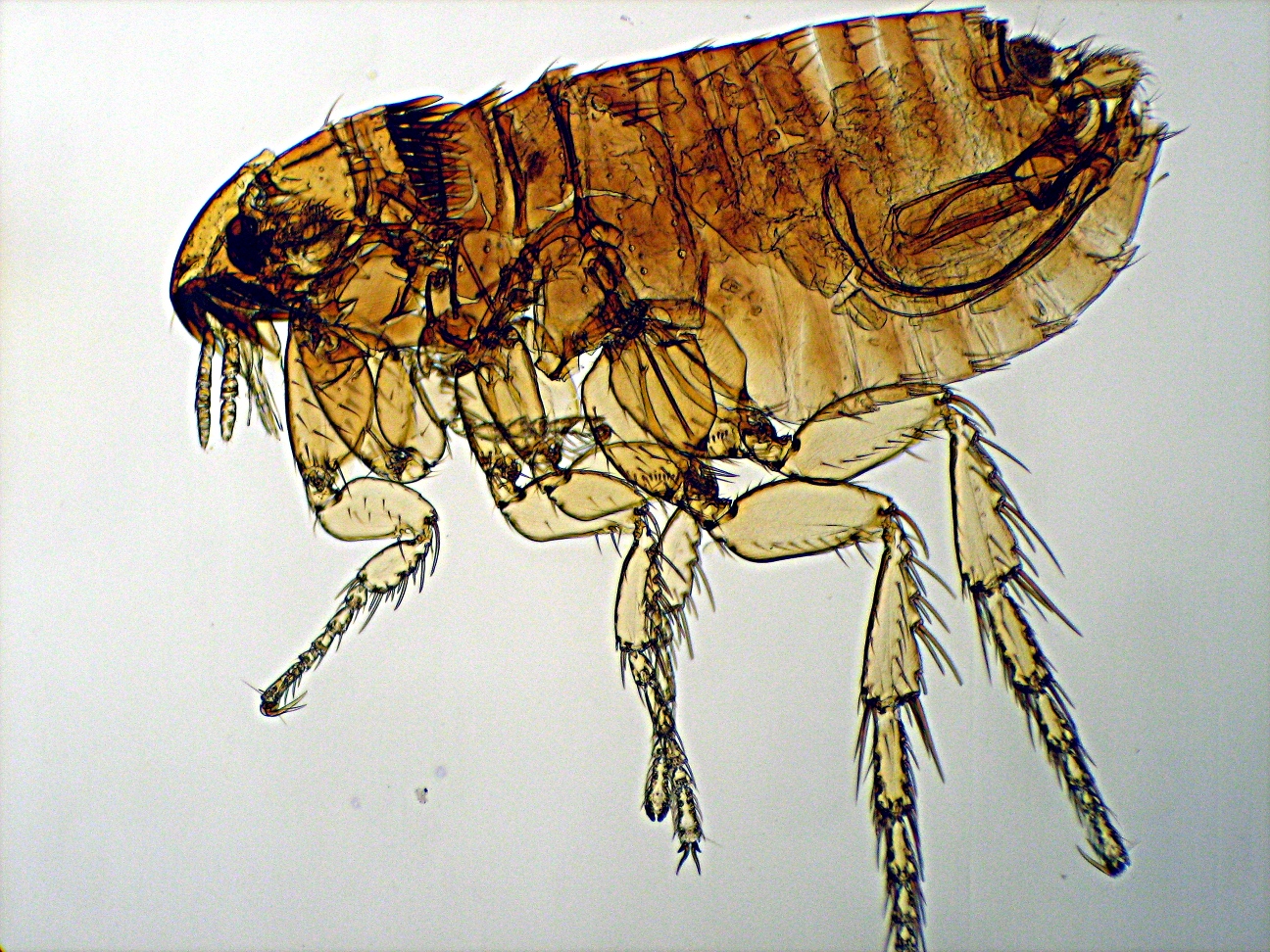
Finding fleas can make a bath feel like the fastest solution. Water may remove or eventually kill some fleas, but swimming, rinsing, or bathing alone cannot reliably end an infestation. The durable solution addresses the pet, every other pet in the household, and the flea stages developing in the environment.

Why water alone does not solve a flea problem
The practical question is not simply whether an individual flea can drown. It is whether water can stop the infestation. It cannot. The Merck Veterinary Manual describes flea control as a three-part job: eliminate fleas on the animal, reduce the existing environmental infestation, and prevent reinfestation.
Will bathing a dog or cat get rid of fleas?
A bath may remove some adult fleas and flea debris, but its effect is temporary unless the broader life cycle is addressed. Use only a shampoo or product labeled for the pet’s species, age, and weight, and ask a veterinarian how bathing interacts with any topical preventive already on the coat.
Never improvise with flea products
- Never apply a dog-only flea product to a cat.
- Do not combine products or repeat a dose early unless a veterinarian directs you.
- Ask before treating puppies, kittens, seniors, pregnant or nursing pets, pets taking other medications, or pets with a seizure history or other health conditions.
- If a pet becomes weak, wobbly, trembly, unusually sleepy, vomits repeatedly, drools excessively, or has a seizure after treatment, contact a veterinarian promptly.
The FDA recommends matching every product to the correct species, life stage, and weight and involving a veterinarian when choosing prevention.
What to do if you find fleas?

The Companion Animal Parasite Council recommends lifelong, year-round flea control for dogs and cats and notes that established household infestations may take months to bring under control. Cornell’s flea guidance likewise emphasizes treating the pet and interrupting the environmental life cycle.
Why the right preventive differs from pet to pet
Flea preventives come as oral medications, topical products, collars, sprays, and other formulations. Some cover fleas alone; others cover ticks, heartworm, intestinal parasites, or additional parasites. The safest useful choice depends on the individual animal—not which product has the loudest advertisement.
Cascade's online pharmacy
See familiar flea-prevention options
Recognizing the package can make reordering easier, but the right preventive depends on the pet. Use these links to view current pharmacy options after your veterinarian has selected the species, formulation, and strength.
Dog prescription options
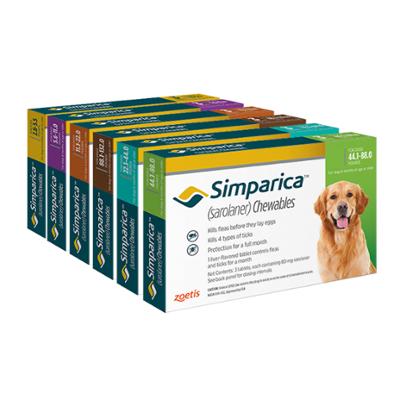
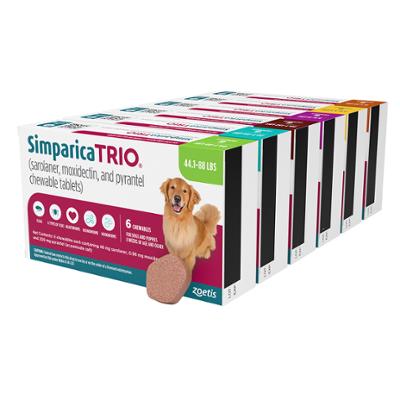
Simparica and Simparica Trio
The pharmacy currently lists two canine products. Their parasite coverage is different, so use only the product your veterinarian has authorized.
View Simparica options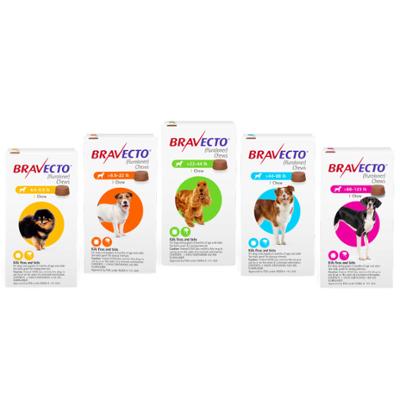
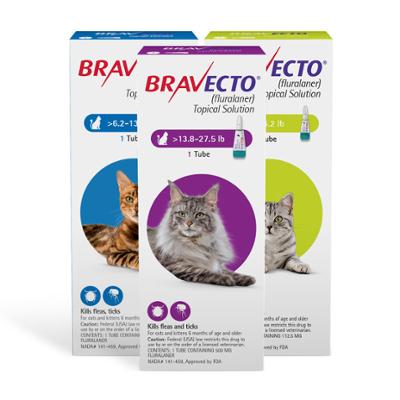
Dog and cat prescription options
Bravecto
The pharmacy search includes multiple dog and cat formulations. Never substitute between species or choose a formulation by package appearance alone.
View Bravecto optionsPrescription reminder: Product photos are examples for recognition only. Availability can change. Order only the exact species, formulation, and strength approved for your pet. For manufacturer details, read Zoetis' Simparica Trio information alongside the FDA approval and safety information.
When fleas deserve prompt veterinary attention
- A puppy, kitten, small pet, senior, or medically fragile pet has many fleas, pale gums, weakness, or unusual tiredness.
- Scratching has caused open sores, bleeding, odor, swelling, discharge, or marked pain.
- Your pet has a suspected reaction after a flea or tick product.
- The infestation continues despite correctly applied prevention and environmental cleaning.
Frequently asked questions
Do fleas die in plain water?
They can eventually drown, but plain water is unreliable because fleas can cling, escape, or survive the brief exposure involved in a normal bath. Water also does not eliminate the immature stages developing around the home.
Does swimming kill fleas on a dog?
No. Swimming may wash away a few fleas, but it cannot be relied upon to treat the dog or the household infestation.
Does dish soap kill fleas?
Soapy water can help contain fleas removed with a comb, but repeatedly washing a pet with dish detergent can irritate skin and still will not control the environmental life cycle. Ask your veterinarian what bathing method is appropriate for your pet.
Can indoor pets get fleas?
Yes. Fleas can enter on other animals, people’s clothing, or items from an infested environment, and they can continue developing inside a warm home.
Why am I still seeing fleas after treatment?
New adults may continue emerging from protected pupae in the environment. Confirm that every pet has the correct product, doses are on schedule, and environmental cleaning is consistent. Contact your veterinarian if fleas persist or the pet remains uncomfortable.
Build a flea-control plan that fits your pet
Cascade Veterinary Clinics can help compare species-appropriate prevention, check irritated skin, and troubleshoot an infestation that is not resolving.
Request AppointmentContact UsOnline PharmacySources and further reading
- Merck Veterinary Manual: Fleas in Dogs and Cats
- Companion Animal Parasite Council: Flea Guidelines
- Cornell University College of Veterinary Medicine: Fleas
- FDA: Safe Use of Flea and Tick Products in Pets
- FDA: Isoxazoline Flea and Tick Product Safety
- Zoetis Petcare: Simparica Trio Product Information
This guide provides general education and cannot diagnose or treat an individual pet.